What It Really Took to Play Division I Soccer From a Small Town
By: Kaleb Eger
Four days a week, Sam Roarty left school and headed toward soccer practice two hours away. After training, she faced the same drive home, with homework still waiting.
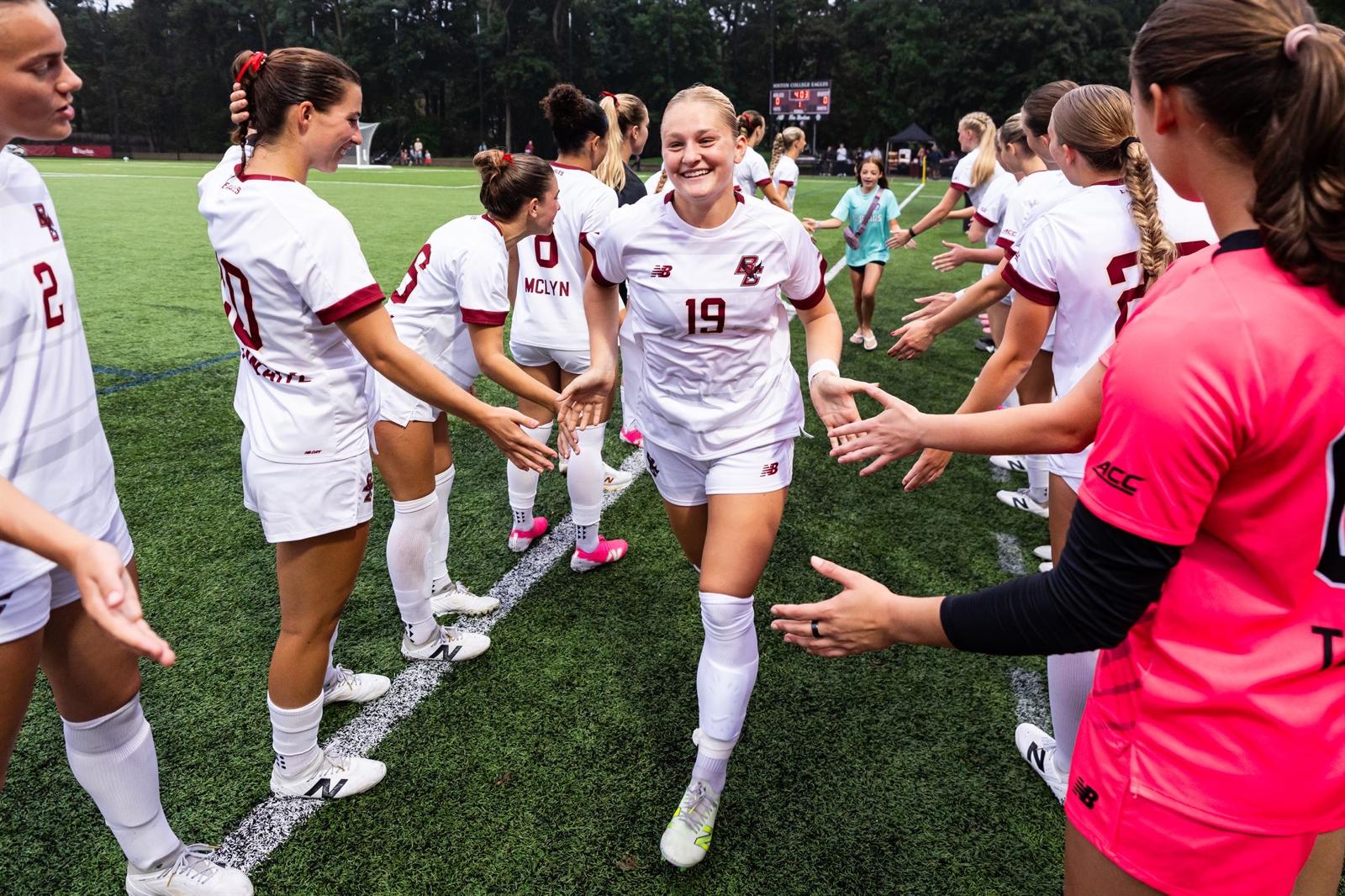
That was part of what pursuing Division I soccer from a small town looked like for Roarty, a Milton Area High School graduate from central Pennsylvania. She's now a freshman at Boston College, but getting there took more than standing out on her high school team.
Division I Soccer From a Small Town Started Two Hours Away
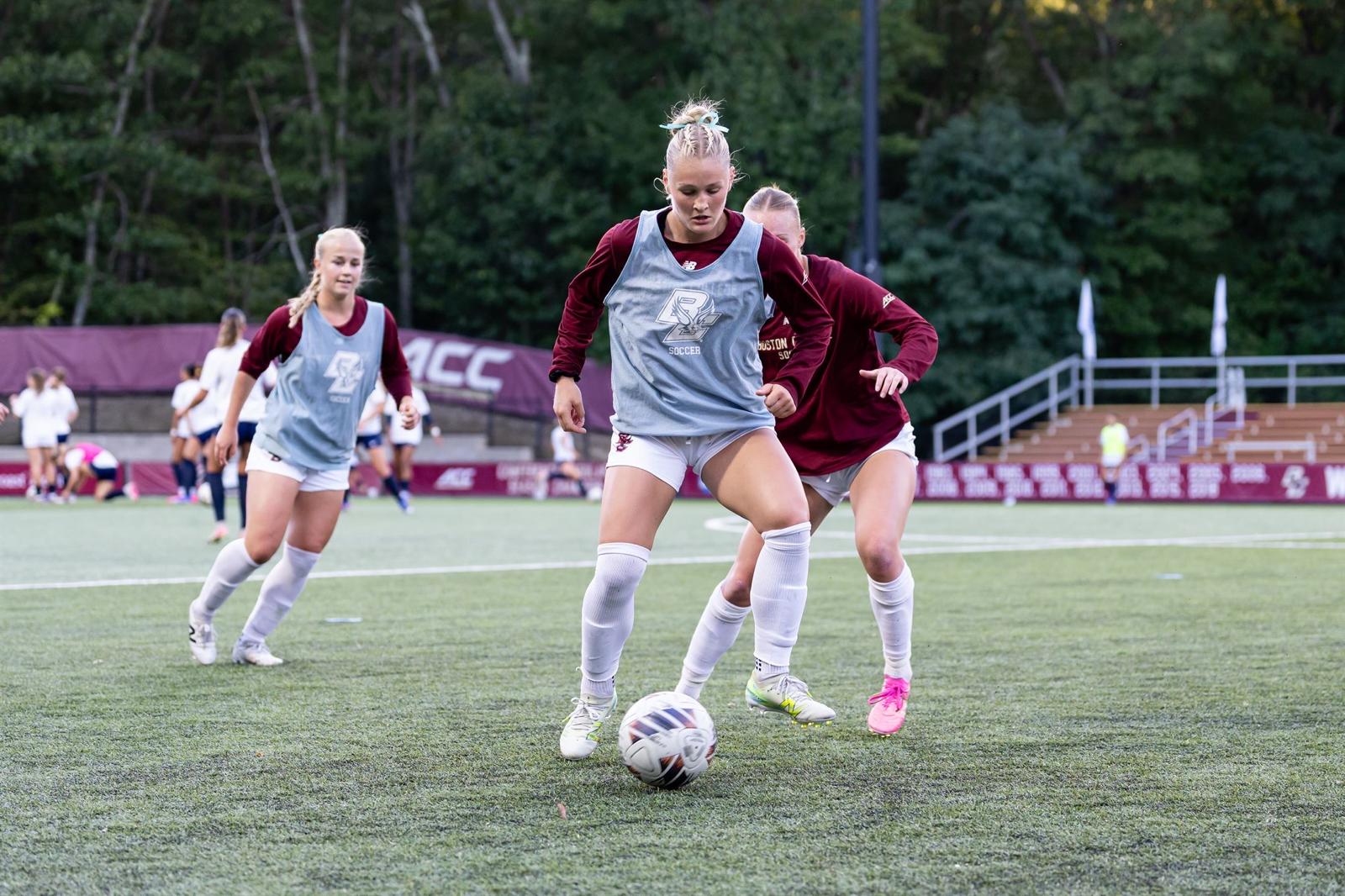
Roarty joined PA Classics, a Girls Academy club in Lancaster, during her sophomore year. From roughly November through June, she practiced four days a week, alongside speed and agility work and weight training. Some winter sessions were outside, even in January.
The schedule made for long evenings. Leaving school for practice, driving home and then studying cut into her social life. Roarty believed that relying on local high school competition alone wouldn't have given her the same opportunity to reach the Division I level.
The Aspen Institute's 2021 report, Reimagining School Sports: Small Rural Public High Schools, describes how smaller rural schools can face greater travel and transportation needs along with limited resources. The report focuses on school sports rather than college recruitment, but Roarty's commute offers a firsthand example of how geography can complicate an athlete's access to higher-level competition.
Getting Seen Meant Doing the Outreach Herself
Playing stronger competition was only one part of Roarty's challenge. She also needed college coaches to see her against it.
Before showcases and major tournaments, she emailed programs that interested her. She introduced herself, shared her position and jersey number, and told coaches when and where she would compete. She remembers being seen at a showcase in North Carolina, though she initially had little idea which programs were seriously interested.
Roarty felt that athletes from bigger clubs benefited from stronger recruiting networks and easier access to coaches. She didn't think she could count on college coaches traveling to central Pennsylvania to watch her practice.
"I kind of just had to do it all for myself," she said.
Her approach matches several recommendations in SoccerWire's Maximizing Your Chances: 7 Tips on How to Get Recruited for College Soccer, which encourages athletes to contact coaches directly and attend showcases suited to their goals and level of play. These steps can't guarantee an offer, but they gave Roarty ways to put herself in front of programs that might otherwise never have watched her.
A Highlight Video Helped Keep the Conversation Going
Boston College coaches had already watched Roarty at a showcase when she sent them a highlight video. She says that after sharing the footage, she received a call from the head coach and felt her recruitment move forward.
The video included goals, slide tackles and moments that showed her physical style of play. She described the footage as "one of the biggest parts of my recruiting process," even though she hadn't expected it to matter so much.
Her advice to other athletes is to look beyond scoring clips. In her view, a good video should show what makes a player different, whether that's work rate, defensive effort or competitiveness.
The video wasn't her entire recruiting story. The club season, showcases and earlier contact with coaches had already laid the groundwork. But it offered another way for Boston College to see her play when an in-person visit wasn't practical.
The Hometown Was Part of the Story, Too
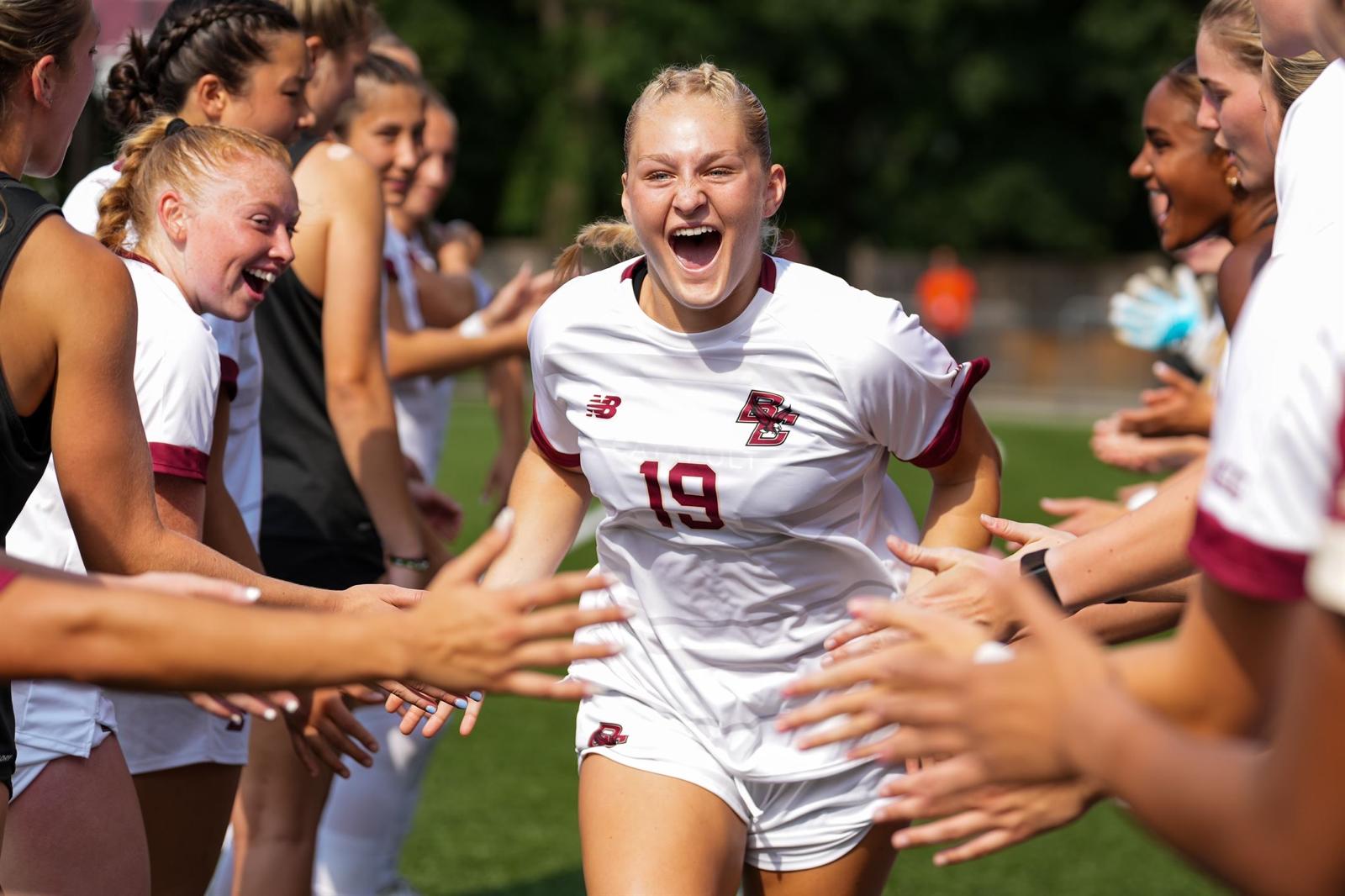
Roarty recalls how excited people in Milton were when she committed. For all the time she spent traveling away from home to pursue soccer, she felt supported by the community she came from.
During the interview, she described adjusting to Atlantic Coast Conference competition and a new position, having moved from midfield to center back. Her experience doesn't mean every rural athlete needs the same club or the same schedule. It does show why athletes and families should think early about where recruiting opportunities are, how they'll reach them and what they can share with coaches between events.
Roarty already knew she wanted to play at the highest college level. The hard part was making sure the right people had a chance to see her.